
Equipment and Technology
Oresmelt - Introduction to Advanced Equipment and Electrolytic Processes
Oresmelt is located in B17 Industrial Zone, Islamabad, the capital of Pakistan. It is a high-purity electrolytic copper plate production enterprise that adopts advanced electrolytic refining technology from China. Under the comprehensive guidance of Professor Wu's technical team at Zhejiang University in China, the company has introduced a complete set of modern smelting equipment and intelligent control systems, and built an efficient, stable, and clean production system for the entire process from copper raw material processing to high-purity cathode copper production. This article focuses on the configuration of the company's core production equipment and the advanced electrolysis process technology it relies on.
1、 Core equipment system
1. Efficient electrolytic cell system
The company's electrolytic workshop adopts polymer composite material integral casting electrolytic cells, and the cell body is made of ethylene based resin as the matrix and reinforced by fiber integral casting. Compared with traditional concrete lined lead plate or PVC soft plate electrolytic cells, this type of electrolytic cell has the following outstanding advantages:
·Excellent corrosion resistance: able to withstand high temperature, high acid, and high copper ion electrolyte environments for a long time, with a service life of over 15 years;
·Excellent insulation performance: eliminates leakage in the tank and maintains a stable current efficiency of over 95%;
·High dimensional accuracy of the tank: ensuring uniform and consistent spacing between each anode plate and cathode plate (controlled at 100 ± 2 mm), providing a physical basis for uniform current distribution;
·Good thermal stability: In conjunction with the electrolyte circulation system, it effectively maintains a uniform temperature distribution in the tank, with a temperature difference of ≤± 1 ℃.
The electrolytic cell adopts a double row parallel arrangement, with a single cell cathode plate count of 40-50 pieces. The annual single cell production capacity design is at the advanced level of the same industry in South Asia.
2. Intelligent power supply and rectification system
The core of electrolytic refining lies in a stable and controllable direct current. The company is equipped with thyristor rectifier transformer groups and high-precision automatic voltage regulation systems:
·Rated output DC voltage: adjustable from 0 to 300 V;
·Rated output current: meets the design requirements of producing tens of thousands of tons of electrolytic copper annually;
·Current stability accuracy: ± 0.5%;
·Automatic polarization control: Automatically execute a soft start program during the initial stage of power on to avoid short circuits or abnormal cathode deposition caused by current surges.
The rectification system adopts a double anti star belt balanced reactor structure, with high power factor and low harmonic content, which ensures uniform distribution of electrolytic cell current density while achieving energy saving and consumption reduction. The system is remotely regulated from the central control room, and operators can adjust the current density of each section at any time.
3. Bidirectional parallel flow circulating liquid supply system
The company adopts China's self-developed Bi directional Parallel Flow (BDPF) electrolyte circulation technology, which is the core equipment solution for high current density electrolysis.
System configuration:
·Main circulating pump (one in use and one backup, frequency conversion control);
·Precision plate heat exchanger: automatically adjust the electrolyte temperature to stabilize at 58-62 ℃;
·Bidirectional liquid supply pipeline: The electrolyte enters uniformly from both sides of the tank bottom, flows upward along the gap between the electrode plates, and then overflows back from the tank surface;
·Filtration system: using multi-stage bag filtration and precision filtration units to filter out suspended particles and ensure the cleanliness of the electrolyte.
The bidirectional parallel flow design completely eliminates the uneven flow velocity and concentration polarization caused by traditional bottom single point liquid inlet, making the copper ion concentration and additive concentration in each area of the tank highly consistent, effectively preventing concentration polarization, and providing guarantee for smooth production under high current density (280-320 A/m ²).
4. Fully automatic additive preparation and dosing system
Electrolytic additives (bone glue, thiourea, hydrochloric acid) are key to controlling the surface quality of cathode copper. The company has established a fully automated additive preparation and dosing station:
·Automatic dissolution unit: automatically completes the weighing, dissolution, maturation, and insulation of bone glue or thiourea according to the set formula;
·Multi channel metering pump: independently delivers the additive solution to each electrolytic cell or centralized addition point, with a dosing accuracy of ± 1 ml/min;
·Closed loop feedback control: Based on online slot voltage monitoring data, the DCS system automatically adjusts the additive flow rate and dynamically responds to process changes.
This system completely eliminates the randomness and delay caused by manual addition, ensuring that each piece of cathode copper has a uniform and delicate crystalline structure.
5. Automated polar plate processing and lifting system
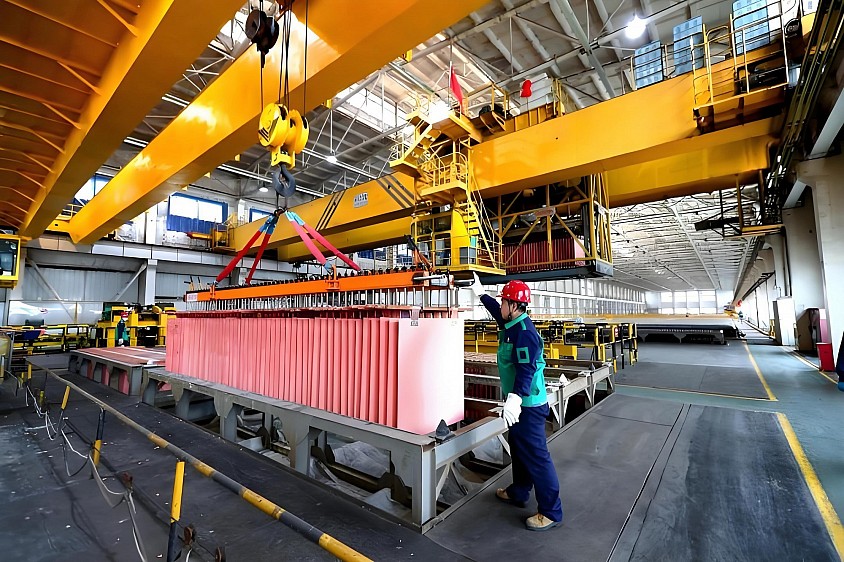
The material handling in the electrolysis workshop adopts a fully automatic cathode stripping unit and an intelligent crane system:
·Automatic crane (double beam bridge, equipped with precise positioning and anti sway function) completes tasks such as anode slot installation, cathode slot removal, and residual electrode replacement, with a positioning accuracy of ± 5 mm;
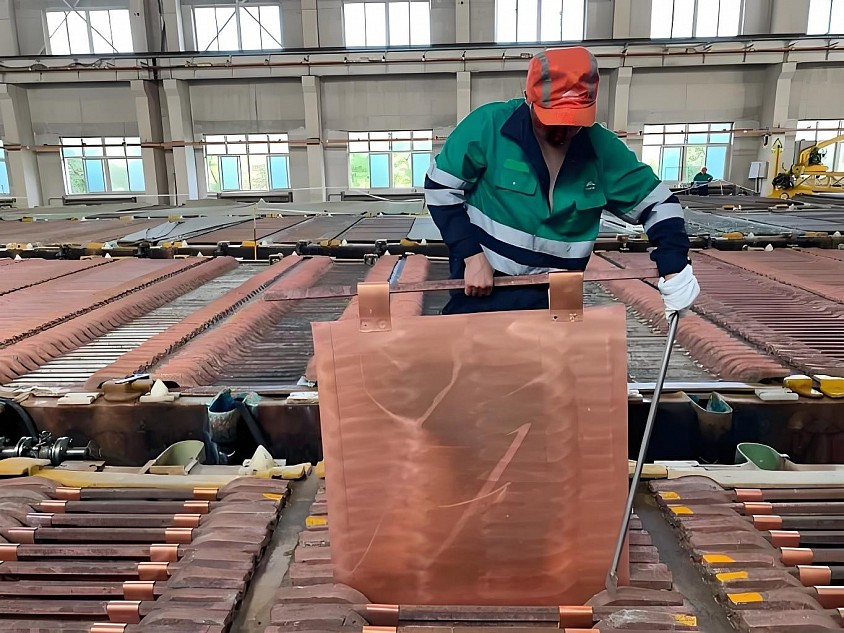
·Cathode stripping unit: Automatically strip the cathode copper plate from the starting electrode produced by seed plate electrolysis (or when using permanent stainless steel cathodes), and after washing, flattening, bundling, weighing, and labeling, automatically stack them;
·Anode preparation unit: Automatically perform ear shaping, spacing correction, and plate slot installation on the anode plate.
The full process operators only need to monitor in the central control room, greatly reducing labor intensity and avoiding the risk of electrode damage and short circuit caused by manual operation.
6. Online detection and laboratory analysis equipment
To ensure quality control, the company has equipped internationally recognized testing instruments:
·Inductively Coupled Plasma Optical Emission Spectrometer (ICP-OES): Fast and accurate detection of copper main grade and content of more than ten impurity elements;
·Atomic Absorption Spectroscopy (AAS): used for precise analysis of specific trace elements;
·Slot voltage inspection instrument: online scanning of real-time voltage of each cathode, timely detection and positioning of short-circuit plates;
·Infrared thermal imaging instrument: Regularly inspect the temperature distribution on the surface of the electrolytic cell and detect abnormal hot spots.
All testing data is networked into the quality management system, forming a complete quality traceability chain from raw materials to finished products.
2、 Core advantages of advanced electrolysis technology
2.1 High current density process
The current density of conventional copper electrolysis is usually 220-260 A/m ², while Oresmelt relies on the high current density electrolysis process optimized by Professor Wu's team at Zhejiang University to steadily increase the current density to 280-320 A/m ². Through precise additive ratio, bidirectional parallel flow supply, and precise control of tank temperature, even under the condition of a 30% increase in current density, the surface of the cathode copper remains smooth and dense, without dendrite growth. High current density directly shortens the electrolysis cycle (from conventional 10-12 days to 7-9 days), effectively increasing annual production without increasing the number of electrolytic cells.
2.2 Electrolyte Purification and Impurity Control
During the copper electrolysis process, impurities such as arsenic, antimony, bismuth, etc. will gradually accumulate in the electrolyte, affecting product quality and current efficiency. The company's supporting electrolyte purification system:
·Copper removal electrolysis process: Reduce the copper concentration in the electrolyte in a specialized copper removal electrolysis cell, while allowing impurities such as arsenic, antimony, bismuth, etc. to enter the black copper mud or precipitate at the cathode;
·Purification and impurity removal process: solvent extraction or induction method is used to remove impurities, and regular operation is carried out according to the impurity level of the electrolyte to ensure that the impurity content in the electrolyte is always maintained within the allowable range.
This purification process ensures that the total impurity content of the company's products is stably controlled below 30 ppm, which is superior to LME standards.
2.3 Efficient Recovery Process of Anode Mud
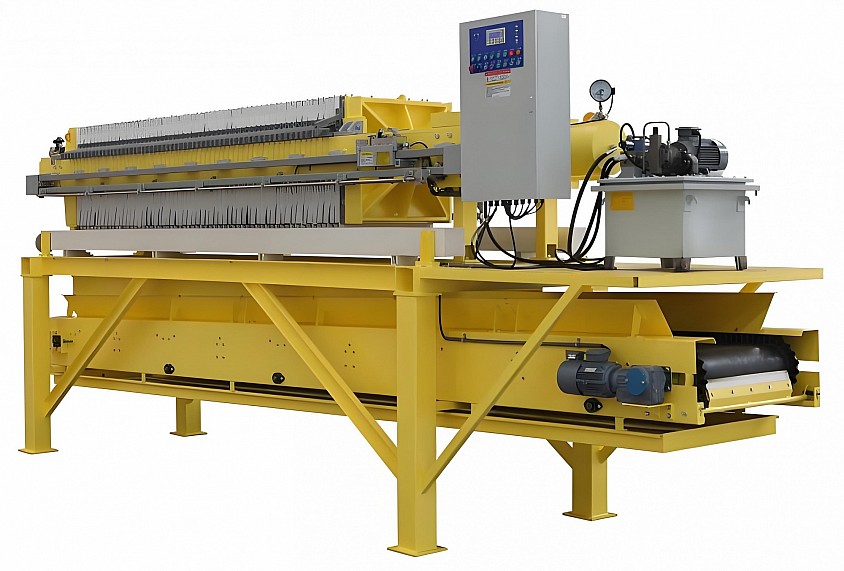
During the electrolysis process, valuable metals such as gold, silver, selenium, tellurium, etc. in the crude copper anode do not dissolve and sink to the bottom of the tank to form anode mud. The company has set up an automatic collection and pressure filtration system for anode mud, which extracts anode mud from the bottom of the electrolytic cell every day. After settling and pressure filtration, it obtains anode mud filter cake containing precious metals. The anode mud will be handed over to professional precious metal refining enterprises to recycle products such as gold and silver, achieving the maximization of comprehensive resource utilization.
2.4 Energy saving and Environmental Protection Processes
·Waste heat recovery: The waste heat from rectifier transformers and electrolyte heat exchange systems is used in heat exchangers for electrolyte preheating and plant heating, reducing overall energy consumption;
·Acid mist collection and treatment: The electrolytic cell is equipped with an acid mist collection cover and an alkali spray washing tower to ensure that the concentration of sulfuric acid mist in the workshop air is higher than the national environmental quality standards of Pakistan;
·Zero discharge of wastewater: The cleaning wastewater and ground flushing water generated in the electrolysis workshop are neutralized, precipitated, and membrane treated before being reused in the production system, achieving near zero discharge of wastewater.
3、 Intelligent Production Management Platform
The company has established a manufacturing execution system (MES) that covers the entire factory, integrating modules such as production scheduling, equipment management, quality traceability, and energy management. MES is integrated with the underlying DCS control system and enterprise resource planning (ERP) system to achieve data connectivity from orders, production to delivery.
·Real time monitoring: The large screen in the central control room displays parameters such as current, voltage, temperature, and liquid level of each electrolytic cell. Abnormal alarms can be immediately pushed to the mobile phones of relevant personnel;
·Automatic generation of production reports: automatic statistics of shift, daily, weekly, monthly output, quality pass rate, electricity consumption and other data;
·Process parameter history replay: facilitates tracing the cause of process fluctuations in case of quality abnormalities.
4、 China's advantages in advanced equipment integration
The core equipment used by Oresmelt, including electrolytic cells, rectifier units, automatic additive systems, bidirectional parallel flow circulation systems, and automatic stripping units, are all sourced from a mature and reliable supplier system in China. These devices have been verified for a long time in dozens of copper smelting enterprises with an annual output of over 100000 tons, and have the following comprehensive advantages:
·Operational stability: Low equipment failure rate, with a designed annual operating rate of over 95%;
·Convenient maintenance: modular design, key spare parts are stocked in domestic and regional centers;
·Outstanding cost-effectiveness: At the same level of technology, equipment investment and operating costs are more competitive than European and American brands;
·Fast service response: Chinese suppliers provide remote technical support and on-site services to ensure continuous and stable production.
5、 Summary
Oresmelt is based on China's advanced electrolytic copper refining technology, with high-performance composite material electrolytic cells, intelligent rectification power supply, bidirectional parallel flow circulation system, fully automatic additive feeding and electrode plate processing equipment as the main body, and has built a technologically leading electrolytic copper production system in South Asia. Under the technical guidance of Professor Wu's team at Zhejiang University, the company has achieved modern production with high current density, low energy consumption, high quality, and green environmental protection. The combination of advanced equipment and exquisite craftsmanship enables the company to consistently produce high-quality electrolytic copper plates with a purity of over 99.99%, providing a solid and reliable copper raw material guarantee for Pakistan's domestic and China's high-end manufacturing industry.
Oresmelt - Creating excellent quality with advanced equipment and empowering green metallurgy with leading processes.